|
Diabetes diet for blood glucose and insulin control
Part 2: Dietary protein reduces glucose - but increases insulin
Current research confirms what has been known for many years: a high-protein diet lowers blood glucose levels after meals in people with type-2 diabetes and improves overall glucose control.[1]
A study in which protein intake was doubled while carbs were reduced gave impressive results by reducing 24-hour blood glucose by an impressive 40%. There were also significant decreases in glycosylated haemoglobin and triglycerides after just 5 weeks. This was all to the good, and you might think that a good diabetes diet is one that increases protein.
However, while the effect on glucose was beneficial, the addition of 50 grams of beef caused a prompt 3-fold rise in mean insulin levels. This was still at a maximum after two-and-a-half hours, and it did not return to a fasting value until more than 6 hours after the meal.
This effect may not be so beneficial and when considering a diabetes diet, you might like to reconsider.
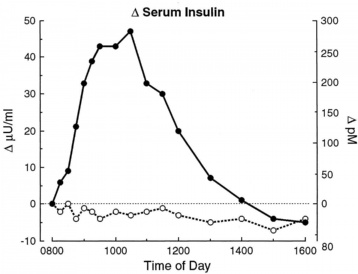 Figure 1: Blood insulin response: The change from baseline.
 |
Diabetes diet guideline
When you reduce your carbs, you will need to increase other foods in your diabetes diet to get the energy your body needs. However, a correctly constituted diabetes diet should not increase proteins. In the diabetes diet, energy must come from fats. We will discuss fats and glycemic control in Part 3.
Reference
1. Gannon MC, Nuttall FQ, Saeed A, et al. An increase in dietary protein improves the blood glucose response in persons with type 2 diabetes. Am J Clin Nutr 2003; 78: 734-41.
|